YOUR OFFICE—— —— ——
MATTERS. DOCUMENTS. INFORMATION.Find a case.
Check the next steps.
Check the next steps.
U↗
The resident looks for documents, opening hours and proper contact details. We design websites for local government that organize information and lead to the next step. Start with 3 free design concepts - compare directions before ordering service.

Explore three design concepts before you commit to the website build.
No deposit or signed contract is needed to see your design concepts.
Choose a direction or walk away. There is no obligation to continue.
SEO/SEM EXPERIENCE. KNOWING YOUR OFFICE.
I have been working in SEO and SEM for over 17 years. I have worked with over 200 clients from Poland and Europe. I use this experience when organizing information: how the recipient finds the page, understands its content and reaches the necessary action. Brands and numbers shown are for SEO/SEM projects.
We start with the questions that residents call the office with. We discuss the most common issues, the current Public records portal, electronic channels and the work of editors. We determine which information needs to be transferred, who approves it and how to check the new service before acceptance. These arrangements determine the structure, functions and scope of performance.

6 EXAMPLES OF DIRECTIONS FOR OFFICES
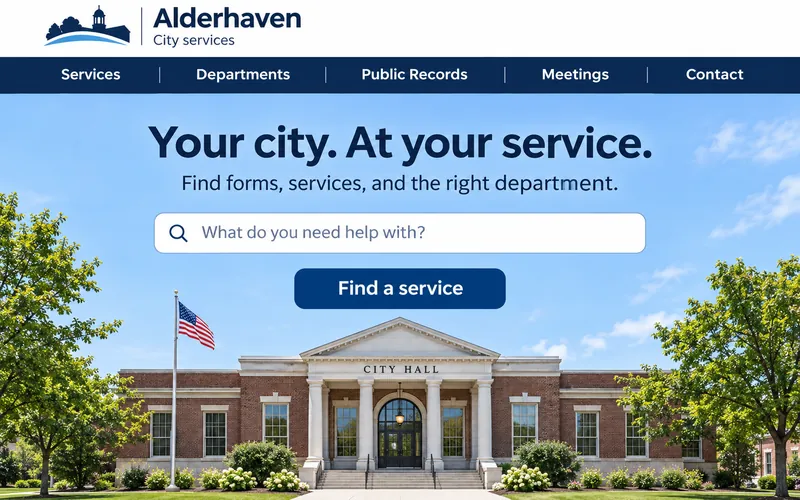
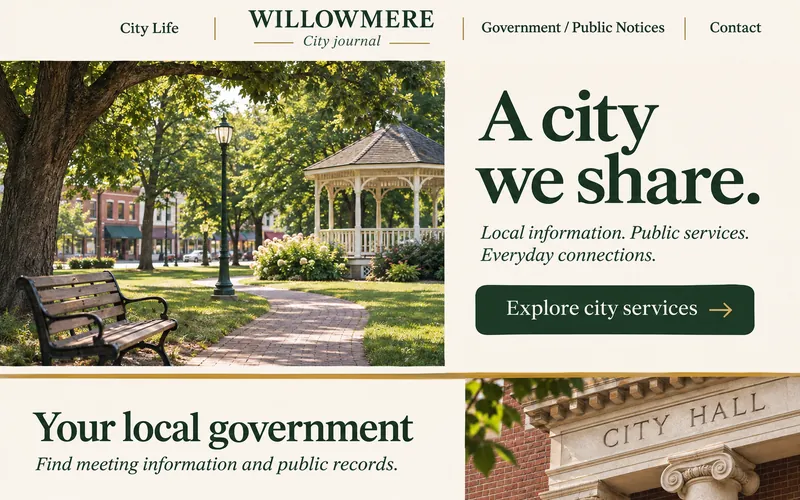
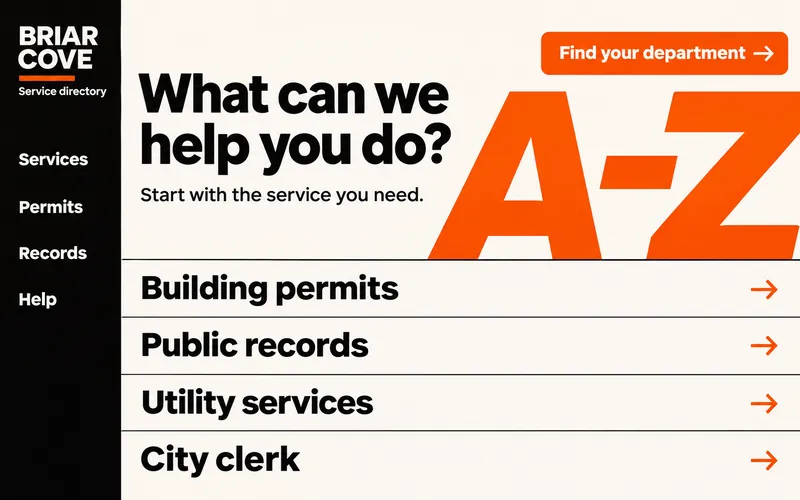
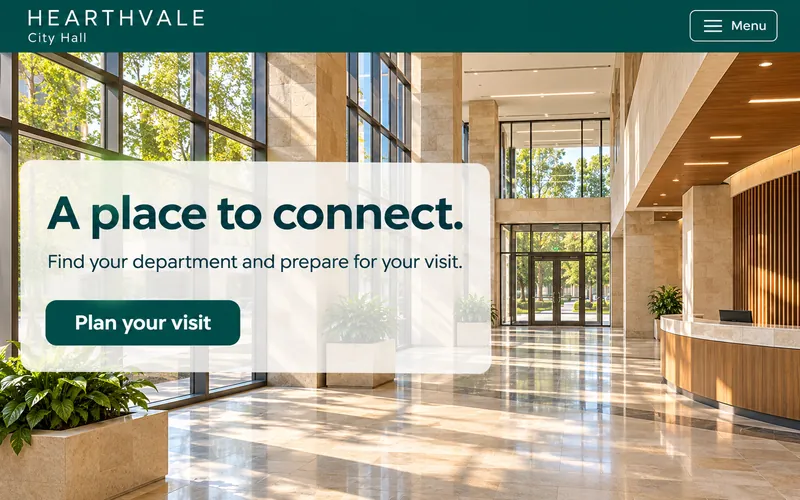
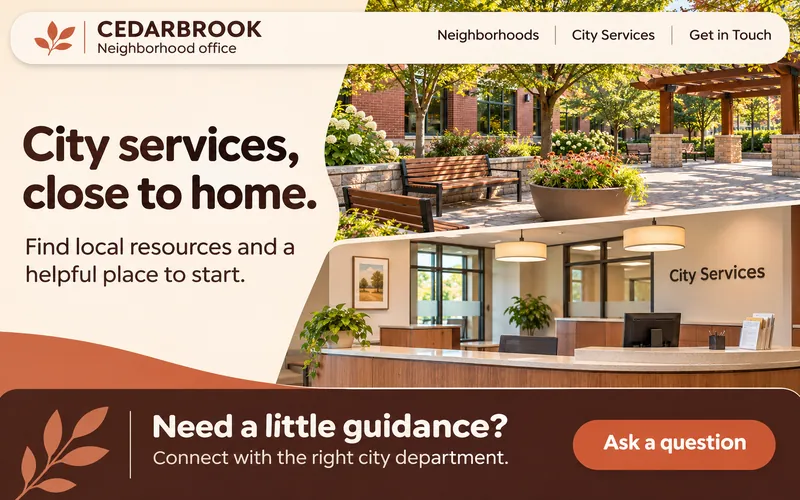
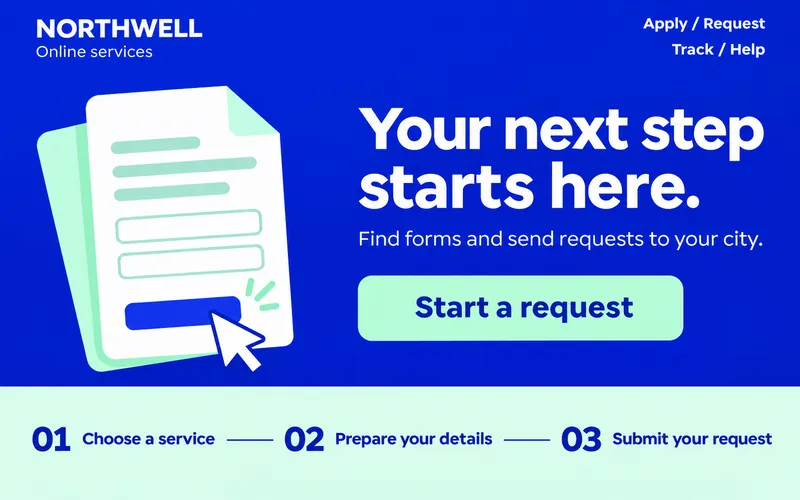
VARIOUS OFFICES. VARIOUS ISSUES TO BE DONE.
The commune, city and starosty offices deal with other matters. However, a resident does not have to know the division of departments to find the right information. We will adapt the website layout to the institution's tasks, recipients and method of publishing content.
We will combine information for residents with announcements, opening hours and descriptions of local issues. We will separate tourism, events or investment offers when the office publishes such materials. The most important procedures will remain easy to find.
We will separate matters handled by the office and information about subordinate units. Procedure cards may indicate documents, the appropriate department and the application submission channel. Their scope and correctness will be approved by the persons responsible for a given case.
For an entity with a narrower scope of tasks, we will plan a simpler website, for a larger one - a structure with pages and a search engine. The number of editors, roles, language versions and additional functions are selected to suit the actual way the institution works.
FROM A RESIDENT'S QUESTION TO THE RIGHT ACTION
An example route: home page → "Get it sorted" → description of the procedure → documents and the appropriate contact channel. We will base the structure on the resident's tasks. Public records portal and the e-services used will receive clear inputs, consistent with the scope agreed with the office.
Separate descriptions will explain what to prepare, where to submit the request and who to contact. Documents, fees and deadlines are provided and approved by the office. Case names are intended to be understandable without knowledge of the organizational structure.
We will separate current messages from instructions on how to get things done. We will establish categories, dates and a way to highlight urgent information, e.g. changes in office hours. We will match the calendar of events and archive to the scale of the publication.
We will plan a visible link to the current Public records portal and information about departments and units. The creation of a new Public records portal, migration of its content or automatic data exchange require a separate scope determination.
The address, opening hours, department numbers and directions will help you prepare for your visit. We will provide space for an accessibility declaration based on the website's status and office data. We will indicate electronic channels for appropriate matters.
WHAT'S INCLUDED
Before development, we will agree on pages, editing method, migration and accessibility requirements. The scope will determine the office's materials, functions, acceptance tests and elements priced additionally. We will match the project to the institution's identification.
We will combine the coat of arms or logo, colors and materials of the office with a clear layout. Three free concepts will allow you to compare presentation methods before deciding on paid implementation. Information needed by residents is given priority.
We will take into account readable contrast, header structure, graphic descriptions and keyboard operation. WCAG 2.1 AA requirements, the scope of examination of the website and documents, and the acceptance criteria will be determined before implementation. Appearance or plugin alone does not confirm compatibility.
We will organize case descriptions, messages and contact information. We will select the method of editing, permissions and approval of publications to suit the office's work. The number of pages, the scope of material transfer and instructions will be specified in the quote.
We will plan menus, titles, headings and links between related information. For a larger website, we will discuss the search engine and its scope. SEO basics help you find content; fixed SEO is a separate scope.
Clear links will lead to public records, official online services, and appointment systems. A link, embedded module, and full integration require different work. We'll review provider capabilities, access requirements, and costs before quoting.
We will agree on a list of things to test, a method for submitting comments and who approves. Before starting, we will check mobile views and links. The scope of the accessibility audit, documentation, access and further service will be specified in the implementation conditions.
THE RIGHT CHANNEL FOR EVERY CASE
Asking about working hours, booking an appointment and submitting a letter are different activities. The page should clearly indicate which channel is for a specific issue. We will base descriptions and links on information approved by the office.
When describing cases, we will show the contact details of the responsible department, service hours and location information. The user should not have to browse through the entire employee list to find someone who will answer their question.
We'll link to the official online services and appointment systems your agency uses. Links, embedded tools, and full integrations have different scopes. Your team confirms each service's purpose and access requirements, and we review provider costs before quoting.
If the office uses a queuing or registration system, we will check the possibility of a clear transition to it. The new module, calendar embedding and data exchange require a separate quote and determination of responsibility for service.
In the case of a possible contact form, we will explain its purpose. We will not present it as a universal way of submitting applications. The list of fields, messages and referrals will result from the agreed office process.
SIMPLE LANGUAGE. CURRENT INFORMATION.
The resident needs a clear answer: what to prepare, where to report and what the next step is. We help organize materials and describe procedures in simple language. The office verifies service information; the scope of editing and migration is determined in the quote.
We will prepare a repeatable layout of the case card: description, required documents, method of submission, contact and information indicated by the office. A common structure helps compare instructions and facilitates the work of people updating the website.
We collect the files to be transferred and determine which ones require correction or development in HTML. The scan and the available document have a different scope of work. We will include graphic descriptions, video subtitles and file customization according to the materials and project requirements.
You will need visual identification, contacts to departments, opening hours, procedures and addresses of Public records portal and e-services. Public information and a description of needs are sufficient for planning. We do not need case files or residents' data.
We will determine who prepares and approves content and how older communications are reviewed. It is worth identifying who is responsible for each group of information. We will select the editing method and instructions for editors to suit the institution's work.
SEE THE DESIGNS. THEN DECIDE.
See three preliminary concepts for the appearance and layout of the office website. You will compare ways of presenting issues, messages and contact. This stage is free of charge, without a contract or advance payment; does not oblige you to order workmanship.
All you need is the address of your current website and a brief description of your institution's needs. The suggestions will help you choose your direction. We will establish the terms of paid performance separately, taking into account the method of ordering services applicable in the office.
Free designs are concepts of appearance and layout. Creating a working website and publishing it is the next, paid stage - after accepting the scope and price.
WEBSITE - PRICE AND SCOPE
The price of a website for an office depends on the structure, materials, editing method, migration and functions. The scope of tests and adjustments to documents is also important. After the conversation, we will prepare a custom quote. Below we show range scenarios, not fixed-price packages.
For institutions with a narrower scope of tasks. Clear information about matters, messages and appropriate contact channels.
For an office that publishes many procedures and current information. The layout takes into account the affairs of residents and the work of editors.
For an institution that needs an extensive search engine, several language versions or connections to existing systems.
We price construction and maintenance separately. The scope will define pages, content, migration, features, acceptance criteria, deadline and corrections. We will discuss the domain, hosting, licenses, updates and backups separately. We agree on further adaptation of materials, care and development as needed. Your first 3 design concepts are free.
FOUR STAGES. CLEAR ARRANGEMENTS.
The schedule depends on the size of the website, materials, integration and acceptance by the office. Before the paid stage, we will confirm the scope and project terms. We will also identify people responsible for information and receipt of individual items.
We discuss the needs of residents, content, editors and current systems. We review office requirements and migration materials. We determine the pages, availability and what will be checked upon receipt.
You receive three free design and layout suggestions. You compare the presentation of procedures, messages and contact. You can provide comments or end this step without ongoing work.
We confirm price, scope, deadline and amendments. After ordering, we develop the selected project and implement approved content and functions. We carry out migration, editing and integration within the agreed scope.
We test agreed user paths and collect comments. The acceptance includes established criteria for the availability and operation of the website. After approval, we launch the website and provide the agreed access and instructions.
UPDATES, MIGRATION AND FURTHER MAINTENANCE
A change in procedure, contact or working hours must be reflected in the service. We will determine the method of publication, responsibility for the content and the scope of care. We will price new functions and website extensions according to the needs of the institution.
We will look through old addresses, files and pages. We will determine what to move, archive or redirect. We will separately plan the domain, hosting and email storage, as well as links to Public records portal and external systems.
The editing method, roles and instructions will be selected by the people operating the website. The office approves case information. Content and accessibility reviews should be included in ongoing work, also after adding new documents.
Before development, we will determine the domain, hosting, licenses and responsibility for updates and backups. Follow-up care, response times and additional work require separate arrangements. They are not automatically part of the website's execution.
REVIEWS
Feedback on the ideas, communication, and details that make a difference.
Łukasz had a great understanding of the nature of my company. The website is light, elegant and shows what is most important.

DIRECT COLLABORATION
SEO and SEM experience in organizing information.
My name is Łukasz Zaborski. I have been working in SEO and SEM for over 17 years; I have worked with over 200 clients from Poland and Europe. When planning a website, I look at how to search for information, its understandability and the path to the necessary action. These numbers represent my experience in marketing.
At zaborski-pro.com, you work directly with me. I'm based in Poland and work remotely with U.S. businesses. Tell me about your services, current website, and goals. We'll agree on a scope that fits your business and coordinate communication around your time zone.
Let's talk about the office websiteYOUR BUSINESS. YOUR INDUSTRY.
Choose your industry. Explore website ideas, features, and answers to common questions.
QUESTIONS BEFORE YOU START
About concepts, pricing, accessibility, Public records portal, migration and the work of editors. Check what arrangements are needed before creating the office's website.
Yes. We prepare three preliminary proposals for the appearance and layout without any fee, contract or advance payment. They do not oblige to ongoing work. A working website, content implementation and launch is a later, paid stage after agreeing on the scope and price. We agree on the method of ordering execution with the office according to its rules.
We prepare the quote individually. We take into account pages, design, editing, migration, editing method and functions. The scope of accessibility tests and document development is also important. Before ordering, you will learn the scope of workmanship and separate maintenance costs.
We set the date after knowing the structure, number of materials and requirements. The schedule includes migration, testing and approval of the content by the office. Larger sites or integrations may require more steps. We will confirm the date and terms of collection before payment is made.
We take accessibility requirements into account when determining structure, design and function. Before development, we will determine the criteria, the scope of examination of the website and documents, and how to remove errors. The mere selection of a CMS, plugin or declaration does not constitute confirmation of compatibility. It describes the obligations of public entities official U.S. web accessibility guidance.
We will plan a place for the declaration. Its content must describe the actual condition of the website and information about the institution. We will determine who will prepare the data, study and document for approval. File review, PDF improvement, video subtitles or HTML content development require determining the number of materials and the scope of work.
We do not assume such a change automatically. We can plan a clear link to the existing Public records portal. A new Public records portal, transfer of its content or downloading data to the website require separate recognition, quote and acceptance criteria.
We'll link to the official online services and appointment systems your agency uses. Links, embedded tools, and full integrations have different scopes. Your team confirms each service's purpose and access requirements, and we review provider costs before quoting.
We do not present a regular contact form as a universal channel for submitting letters. For each case, the office indicates the acceptable route and requirements. Forms supporting formal procedures are a separate area that requires analysis of the process and method of data transfer.
If the office needs independent editing, we will determine its scope before choosing a solution. We will discuss roles, access to individual departments, approval of publications and instruction. License and care costs will be detailed. The service information is approved by responsible people in the office.
To get started, all you need is a website address, a description of the tasks and a list of needs. Later, a logo or coat of arms, contacts, working hours, procedures, files for publication and addresses of Public records portal and e-services will be useful. We will determine the extent of migration after the review. Do not submit case files or resident data to the website inquiry form.
After checking the current configuration, we will plan the page switch, mail behavior and necessary redirects. We will review pages, files and links to the office's systems. We will confirm the scope of the transfer and responsibility for the configuration before launch.
The agreed scope may include logical addresses, titles, headers and linking. Permanent SEO, new content and campaigns are separate services. We determine hosting, renewals, updates, backups and further maintenance separately. The launch of the website does not guarantee a position in the search engine.
Let's talk about your office's website.
Get 3 Free DesignsLET'S TALK
Describe what tasks the office performs and what the new website is intended to facilitate. We will prepare three free concepts to help you compare appearance and layout directions.
Provide the address of the current website, the pages needed and the editors' working method. Please specify whether you plan migration, search engine or connection to Public records portal. To talk about the project, a description of the needs is enough - without case files or residents' data.
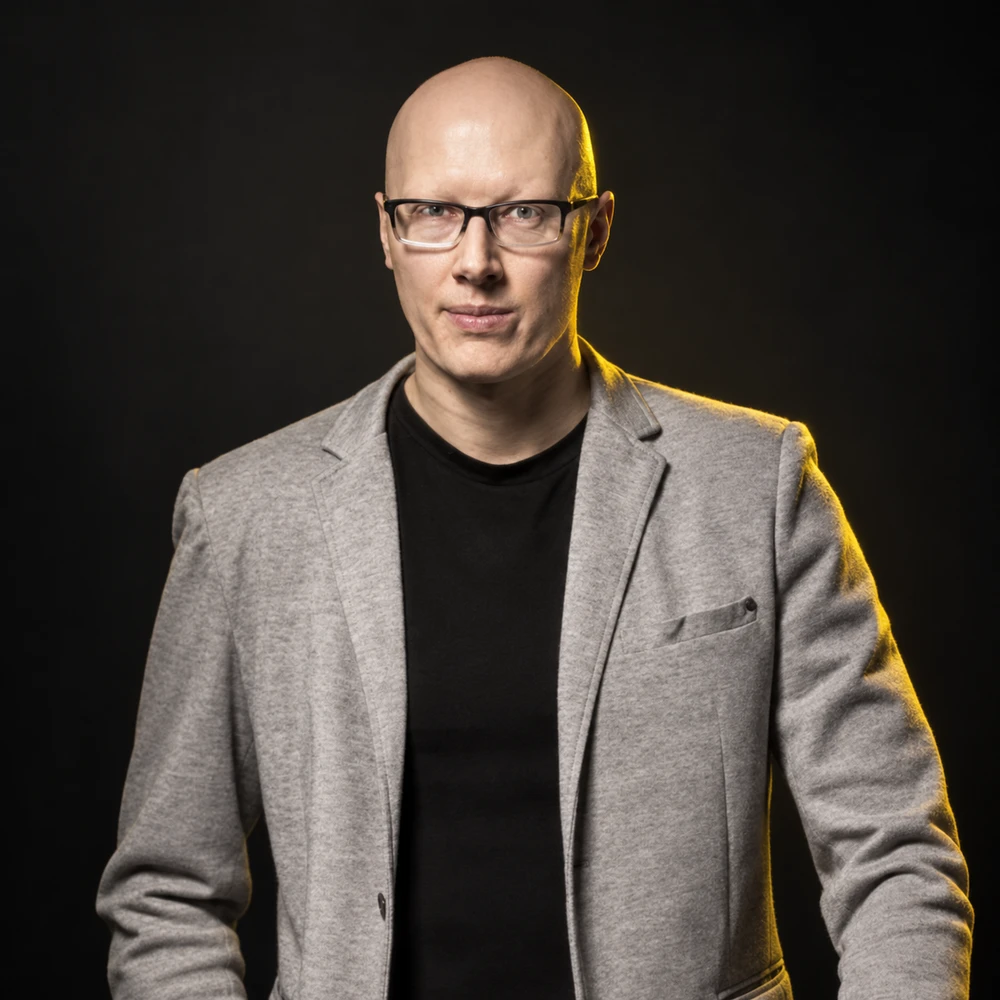
Łukasz ZaborskiYou'll work directly with me.